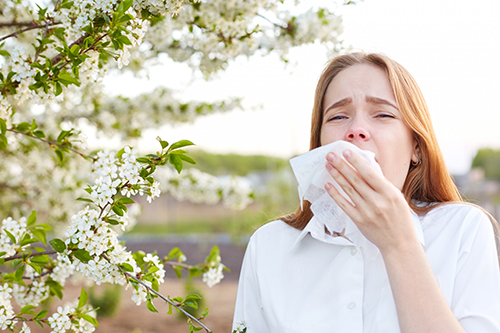
As spring arrives, many people find themselves reaching for tissues and allergy medications earlier than ever before. Sneezing, itchy eyes, and nasal congestion have become all too common sights in homes and offices across the country. In cities such as New York, Atlanta, and Houston, allergy sufferers report that their symptoms now last longer and require stronger relief compared to just a few years ago. This growing trend is not merely a matter of personal experience - it reflects a significant shift driven by environmental factors.
Experts point to climate change as the primary culprit behind this intensification. Rising global temperatures cause plants to bloom earlier, extending the pollen season by an average of 20 days compared to three decades ago. Additionally, higher carbon dioxide levels fuel the growth of super-pollinator plants, resulting in pollen counts that are 21% higher than in 1990. With prolonged exposure to these airborne allergens, the human immune system mounts a more aggressive response, releasing histamines that trigger symptoms ranging from persistent coughing and nasal congestion to severe asthma attacks in vulnerable individuals.
Given these escalating challenges, adopting preventive measures is more critical than ever. Simple yet effective habits can significantly reduce pollen exposure: keep windows closed on dry, windy days; change clothes and shower immediately after returning indoors; and avoid outdoor chores like mowing the lawn when pollen counts peak. For symptom management, over-the-counter antihistamines offer reliable relief, while staying hydrated and limiting inflammatory foods such as sugar and dairy can help temper the body’s allergic response. These proactive steps not only alleviate discomfort but also prevent mild symptoms from escalating into serious health issues.
In conclusion, as spring allergies grow both longer and more intense, vigilance is essential. What begins as a minor inconvenience can, if left unaddressed, develop into respiratory distress or even life-threatening asthma attacks. By understanding the underlying causes and implementing practical prevention strategies, individuals can safeguard their well-being and enjoy the season without compromising their health.