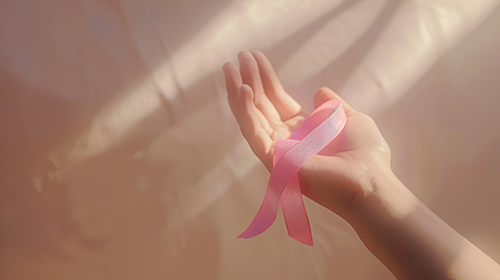
October is Breast Cancer Awareness Month, a global campaign that turns the world pink with ribbons and reminders to screen early. The message is familiar and important. But awareness alone does not prevent disease. For millions of women, the more practical question is what can be done every day—not just once a year—to lower risk and maintain health. The answers, according to decades of research, are surprisingly ordinary and surprisingly powerful.
Diet and body weight sit at the center of prevention. A large European study following more than 258,000 women found that those who most closely followed a healthful plant-based diet—rich in fruits, vegetables, whole grains, nuts, and legumes—had an 11% lower risk of breast cancer. The protective effect was partly explained by lower body fat, since excess weight after menopause is a well-established risk factor. For women who carry extra weight, even modest loss can shift the odds. Physical activity adds another layer. Regular exercise helps regulate estrogen and insulin, hormones that influence breast tissue growth. The CDC links exercise to lower risk for at least eight cancers, breast cancer among them.
What women put into their bodies matters, too. Alcohol increases risk even in small amounts, and the danger rises with each drink. Breastfeeding offers protection: the longer a woman nurses, the greater the reduction, with roughly a 2% decrease for every five months of lifetime breastfeeding. Beyond these daily choices, women should know their family history, discuss screening schedules with their doctors, and perform regular self-exams. Sleep, stress management, and avoiding tobacco also contribute to overall health and resilience. None of these steps guarantees prevention, but together they build a body more capable of resisting disease.
October's pink ribbons matter, but they are a beginning, not an end. The real work of prevention happens in grocery stores, on walking paths, and in decisions about alcohol, breastfeeding, and self-care—choices made daily, not annually. Women should feel empowered to act on what science already knows. The same habits that protect the heart and brain also protect the breast. This October, let awareness become action—not just wearing a ribbon, but living the choices that make one less necessary.