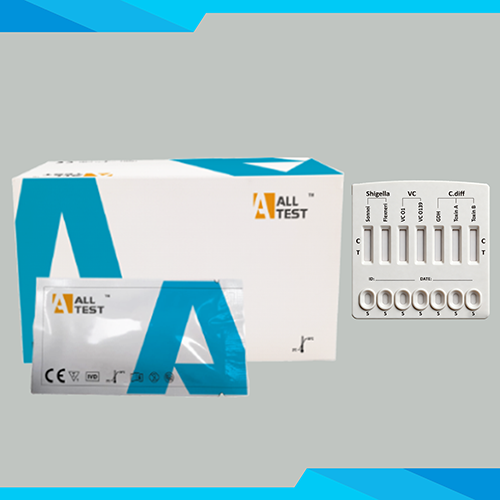
Shigella, Vibrio cholerae, and Clostridium difficile are important bacterial pathogens causing distinct forms of diarrheal illness. Shigella species are highly contagious and invade the intestinal mucosa, causing bacillary dysentery characterized by bloody diarrhea, fever, and severe abdominal cramps. It spreads primarily through the fecal-oral route and is a major cause of bacterial diarrhea globally.
Vibrio cholerae is the causative agent of cholera, an acute diarrheal disease that can cause severe dehydration and death if untreated. It produces a toxin that leads to profuse, watery "rice-water" diarrhea, facilitating rapid transmission in areas with inadequate sanitation and contaminated water.
In contrast, Clostridium dificile is a Gram-positive, spore-forming bacterium and the most common cause of antibiotic-associated diarrhea. It typically causes infection following antibiotic use, which disrupts the normal gut microbiota, allowing *C. difficile* to proliferate and produce toxins that can lead to pseudomembranous colitis. Differentiating these pathogens is crucial, as their treatments and infection control measures differ significantly.
Product Advantages:
Fast Results in 10 Minutes
Easy Visual Interpretation
Convenient Procedure
High Accuracy
| Cat. No. | Product | Specimen | Pack | Cut-Off |
|---|
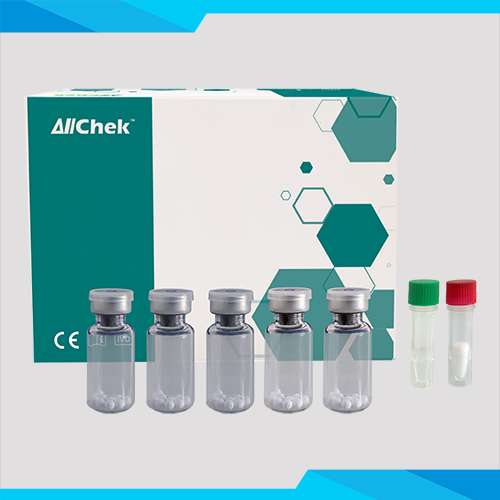
| IMBDA-675 | Bacterial Diarrhea (Shigella/Cholerae/C.diff) Rapid Test | Feces | 20 T | - |


Tel:+86 -17280012527
Tel:+86-571-56267891

E-mail:info@alltests.com.cn

Add: 550 Yinhai street, Hangzhou Economic and Technologic Development Area 310018, P.R China
Copyright 2021 HANGZHOU ALLTEST BIOTECH CO.,LTD All Rights Reserved
浙ICP备16036562号-1
 浙公网安备 33011802001000号