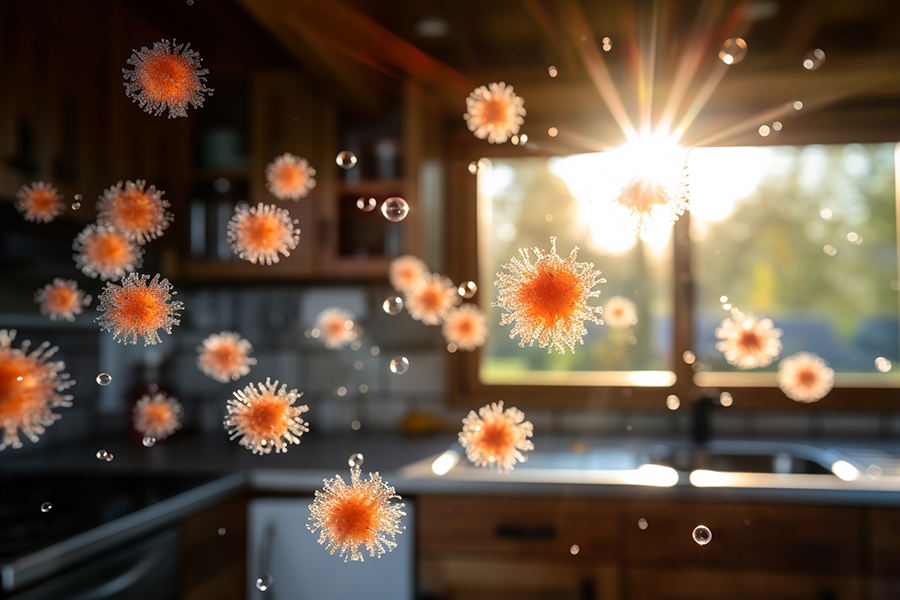
If you've noticed more people calling in sick this winter or heard about a local school's sudden closure due to a "stomach bug outbreak," you're witnessing the seasonal surge of norovirus in action. This highly contagious virus causes vomiting and diarrhea, and current wastewater data across the U.S. shows infection rates rising earlier than usual this year. As we gather indoors more frequently during these colder months, understanding practical prevention becomes not just useful - but essential for everyone's health.
You can catch norovirus from contaminated food or water, touching infected surfaces, or close contact with someone who is sick. Symptoms like vomiting, diarrhea and stomach cramps appear suddenly, often within 12–48 hours after exposure. The virus spreads easily because it can survive on surfaces for days and only a tiny amount is needed to cause infection.
Good hygiene is your best defense. Wash your hands thoroughly with soap and water - especially before eating and after using the bathroom. Alcohol-based sanitizers are less effective against norovirus. Disinfect surfaces regularly with a bleach-based cleaner, particularly in kitchens and bathrooms. If you're sick, avoid preparing food for others and stay home until at least 48 hours after symptoms end to prevent spreading the virus.
By making these simple habits part of your routine, you help break the chain of transmission. Preventing norovirus protects your health, safeguards vulnerable people in your community, and reduces the burden on healthcare systems. Stay vigilant with hygiene - it's a small effort that makes a big difference for everyone's well-being.


Tel:+86 -17280012527
Tel:+86-571-56267891

E-mail:info@alltests.com.cn

Add: 550 Yinhai street, Hangzhou Economic and Technologic Development Area 310018, P.R China
Copyright 2021 HANGZHOU ALLTEST BIOTECH CO.,LTD All Rights Reserved
浙ICP备16036562号-1
 浙公网安备 33011802001000号