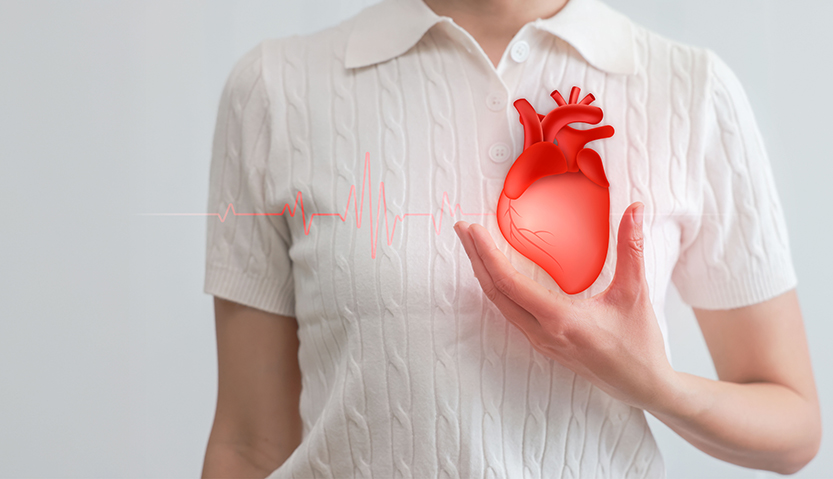
Imagine a future where nearly six out of every ten women you know will develop heart disease or stroke by 2050. This stark projection from a recent American Heart Association report points to rising rates of high blood pressure, diabetes, and obesity as key drivers of this worrying trend. Interestingly, while high cholesterol rates are expected to drop - thanks to improved screening and medications - this positive shift is overshadowed by other escalating risk factors tied to modern lifestyles.
The causes are deeply woven into daily life. Poor dietary habits now prevail, with processed foods, sugary drinks, and high-fat options like burgers becoming the most affordable choices for many U.S. families. Nutritious foods such as fresh vegetables are often out of reach for those facing economic hardship. When paired with sedentary behavior and chronic stress, these factors create a perfect storm for declining heart health that begins in childhood. But this forecast is not set in stone. Through broad, multi-faceted efforts - including individual action - we can alter this trajectory for women worldwide.
Prevention must start early and span a lifetime. For young girls, schools should prioritize daily physical activity and nutrition education, while pediatricians discuss long-term cardiovascular risk. For adult women, workplaces can offer stress-reduction programs and flexible schedules, and communities should design safer walking neighborhoods and advocate for better access to affordable fresh food in underserved areas. Healthcare systems must also address female-specific risk factors, including pregnancy complications and menopausal changes. As women, we can take small but impactful steps in daily life: prioritize 30 minutes of moderate exercise (like walking or yoga) most days, opt for whole foods over processed ones, limit sugary drinks, manage stress through mindfulness or hobbies, and attend regular check-ups to monitor blood pressure and blood sugar.
Research and public health campaigns must be inclusive, developing targeted strategies for disproportionately affected groups like Black and Hispanic women, who face higher projected rates of hypertension and obesity. Ultimately, reversing this trend requires a global shift in how we value women's health. Heart disease remains the leading cause of death for women worldwide, yet awareness remains dangerously low. By empowering females with knowledge and support - from clinic rooms to kitchen tables, from school cafeterias to government policies - we can build a healthier future. The time to act is now: for every woman, for every girl, for every heart.


Tel:+86 -17280012527
Tel:+86-571-56267891

E-mail:info@alltests.com.cn

Add: 550 Yinhai street, Hangzhou Economic and Technologic Development Area 310018, P.R China
Copyright 2021 HANGZHOU ALLTEST BIOTECH CO.,LTD All Rights Reserved
浙ICP备16036562号-1
 浙公网安备 33011802001000号