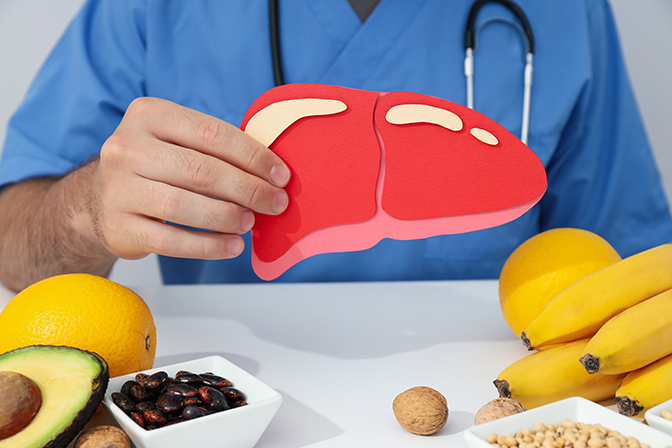
Liver health is fundamental to overall well-being, as this vital organ is responsible for filtering toxins, metabolizing nutrients, and regulating energy. A key threat to its function is Metabolic Dysfunction-Associated Steatotic Liver Disease (MASLD), primarily driven by excess fat accumulation. The cornerstone of MASLD treatment is sustainable weight loss, with research showing that losing about 10% of body weight can significantly reduce liver fat and harmful inflammation. Fortunately, this can be achieved through simple, daily habits.
Several practical dietary shifts can kick-start a beneficial weight loss and directly support the liver. First, prioritize soluble fiber from oats, beans and fruits to enhance fullness and reduce calorie intake, prompting the liver to burn stored fat. Simultaneously, cutting back on alcohol is crucial, as it stresses the liver, halts fat burning, and adds empty calories. For meals, fill half your plate with non-starchy vegetables like broccoli and kale, swap sugary desserts for whole fruit, and choose protein-rich breakfasts like eggs or yogurt to stabilize blood sugar and insulin levels throughout the day.
Beyond diet, lifestyle adjustments are equally powerful. Incorporate a 15-minute walk after dinner to help manage blood sugar and achieve weekly aerobic goals. Stay hydrated with water instead of sugary drinks, and carry healthy snacks like nuts or yogurt to avoid impulsive, unhealthy choices. Establishing an eating cutoff by 7 p.m. can align with the body’s natural rhythms and reduce late-night fat production. Additionally, enjoying black coffee may offer protective benefits against liver fibrosis, while ensuring seven to nine hours of quality sleep through a consistent routine supports overall metabolic health.
In conclusion, protecting liver health requires consistent, manageable actions. By integrating these habits - focusing on fiber, limiting alcohol and sugar, exercising, staying hydrated, and maintaining regular sleep that individuals can effectively promote weight management and reduce liver fat. This proactive approach not only combats MASLD but also lowers the risk of related serious conditions like diabetes and heart disease. Ultimately, safeguarding the liver is a vital investment in long-term health and vitality.


Tel:+86 -17280012527
Tel:+86-571-56267891

E-mail:info@alltests.com.cn

Add: 550 Yinhai street, Hangzhou Economic and Technologic Development Area 310018, P.R China
Copyright 2021 HANGZHOU ALLTEST BIOTECH CO.,LTD All Rights Reserved
浙ICP备16036562号-1
 浙公网安备 33011802001000号