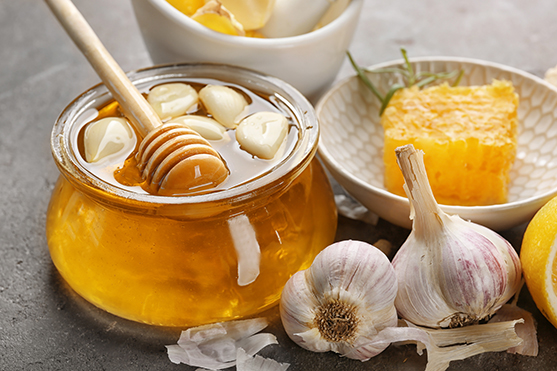
Garlic and honey, though vastly different in taste, are both ancient superfoods celebrated for their medicinal properties. Modern science continues to validate their traditional uses, particularly highlighting their potent anti-inflammatory, antioxidant and immune-boosting effects.
Chronic inflammation is a root cause of many modern ailments, from arthritis to heart disease. Both garlic and honey combat this effectively. Garlic contains sulfur compounds like allicin, which inhibit inflammatory enzymes in the body. Honey, especially raw varieties, is rich in antioxidants and possesses significant anti-inflammatory activity, helping to soothe internal and external inflammation.
Their benefits extend far beyond inflammation. Garlic supports cardiovascular health by helping to moderate blood pressure and cholesterol levels, while its antimicrobial properties make it a valuable ally against infections. Honey is a natural humectant and antibacterial agent, ideal for soothing sore throats, calming coughs, and even aiding wound healing when used topically. Together, they offer a powerful synergy of antioxidants that protect cells from oxidative stress.
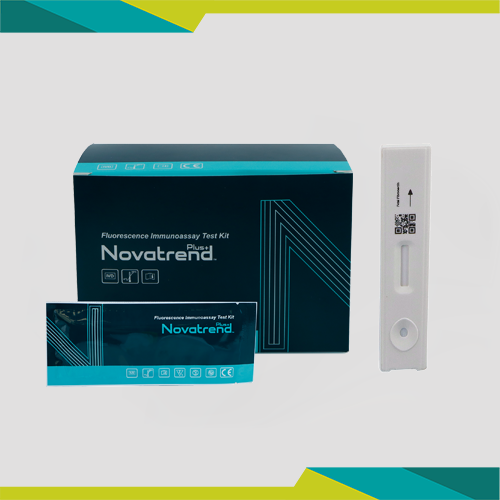
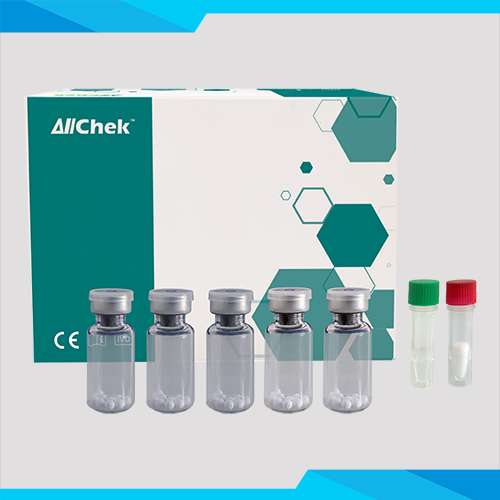
Interestingly, the concept of rapid detection is relevant here. Just as rapid tests identify biomarkers of infection or inflammation in the body, the bioactive compounds in garlic and honey act at a cellular level to modulate the inflammatory response. They help "address" the underlying inflammatory signals rather than merely masking symptoms.
It’s important to incorporate them wisely. For maximum benefit, crush fresh garlic to activate its compounds, and choose raw, unprocessed honey. They can be enjoyed separately or combined - a simple tonic of infused honey and garlic is a popular folk remedy. However, moderation is key, excessive garlic may thin blood or interact with medications like warfarin, and honey can affect blood sugar levels.
In summary, garlic and honey are readily accessible, natural tools for enhancing wellness. Their demonstrated anti-inflammatory properties, coupled with broad-spectrum health benefits, make them invaluable additions to a health-conscious diet. While not substitutes for medical treatment, they are excellent examples of how traditional foods can complement modern health strategies.


Tel:+86 -17280012527
Tel:+86-571-56267891

E-mail:info@alltests.com.cn

Add: 550 Yinhai street, Hangzhou Economic and Technologic Development Area 310018, P.R China
Copyright 2021 HANGZHOU ALLTEST BIOTECH CO.,LTD All Rights Reserved
浙ICP备16036562号-1
 浙公网安备 33011802001000号